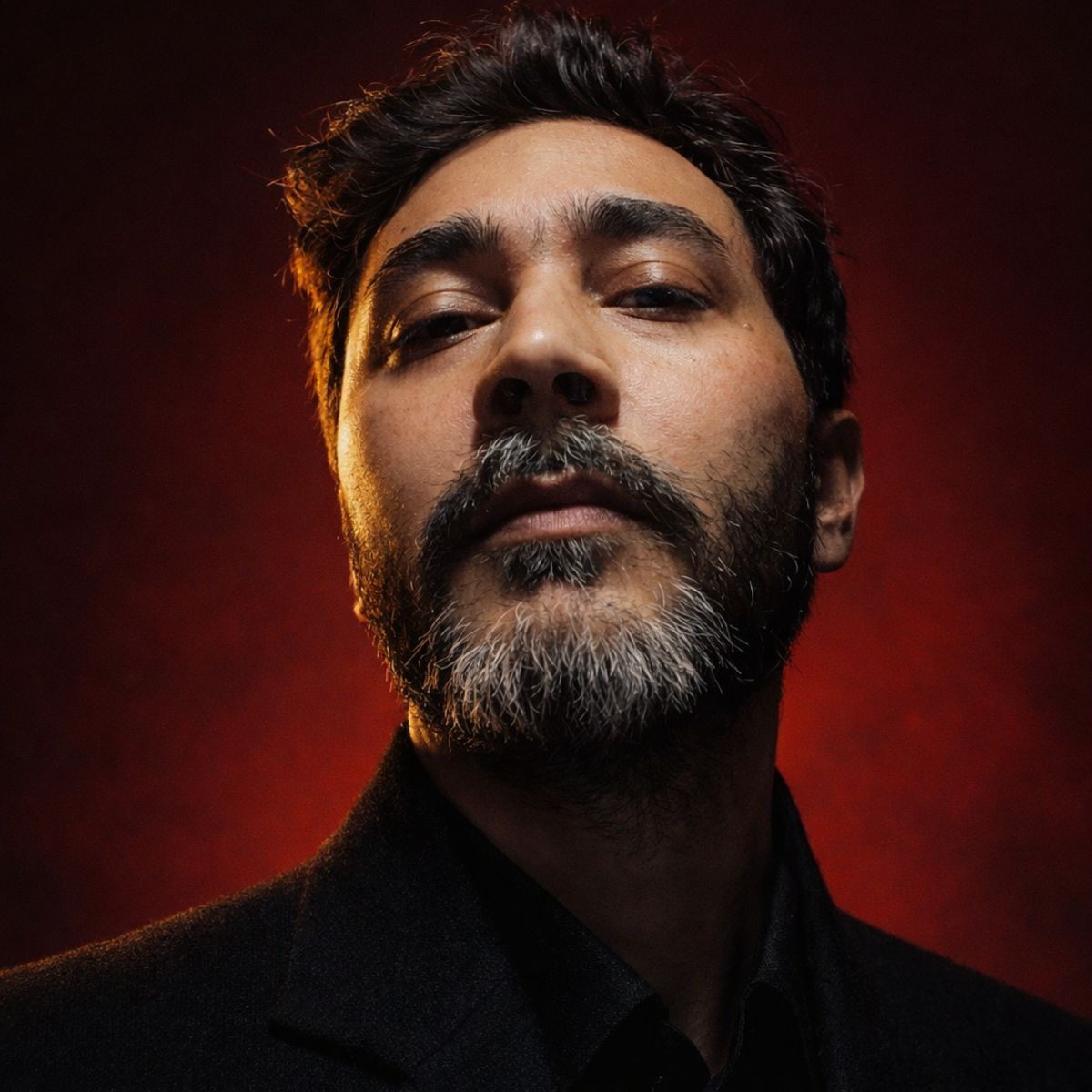
Piero Hincapie has played 33 times for Arsenal this season. He has become our first-choice left-back, nailed down the position ahead of Riccardo Calafiori and Myles Lewis-Skelly, and has been one of the quiet success stories of a loan deal that increasingly looks like a permanent transfer waiting to happen. On Friday evening in Madrid, he played 72 minutes of a World Cup warm-up against Morocco, showed signs of discomfort late in the game, and was substituted. On Sunday, the Ecuadorian Football Federation confirmed he had undergone medical and imaging tests and would not travel to Eindhoven for Tuesday's friendly against the Netherlands. He is on his way back to London Colney.
A few hours later, Spain confirmed Martin Zubimendi had left their camp with discomfort in his right knee.
What each withdrawal actually means
Start with Hincapie, because the nature of his situation is the more alarming of the two. Journalist Charles Watts, having reviewed footage of the substitution, described it as looking like a muscle injury, noting that Hincapie pulled up trying to get back into position on a counter-attack, signalled to the bench immediately, and dropped to the turf. The Ecuadorian federation's statement said both Hincapie and Denil Castillo had been withdrawn following medical tests and would return to their clubs to begin recovery. The word "recovery" is doing heavy lifting there. This was not framed as precautionary rest. Hincapie is heading back to London for a reason.
His absence would leave Arteta with a genuine problem at left-back. Calafiori has had his own injury disruptions this season. Lewis-Skelly, at 18, has shown enormous promise but has not yet started a knockout match of this magnitude. The position is not as thin as central defence or midfield, but it is not comfortable either.
Zubimendi's situation, based on what Spain have said, is less acute. He came off the bench in the 77th minute of Spain's 3-0 win over Serbia, replaced Rodri, played 13 minutes, and reported knee discomfort afterwards. The RFEF statement said they were releasing him as a precaution, that they had opted to take no risks with the player's health, and that Arsenal's medical staff had been kept fully informed. That framing suggests this is being managed carefully rather than treated as an emergency. But Zubimendi has played 3,575 minutes across all competitions this season, more than any other Arsenal outfield player. He has started 30 of 31 Premier League games. He has been the engine that everything else runs through. Any suggestion of knee trouble for a player carrying that kind of load deserves serious attention, regardless of how the federation phrases it.
Why these two withdrawals cut differently
The broader injury picture from this break has been covered. Ten Arsenal players have now withdrawn from international duty. Most of them, as worrying as their situations are, have a degree of precedent. Saliba's ankle, Gabriel's knee, Timber's groin. These are players who have managed recurring issues across the season and whose bodies are telling them something that, eventually, someone listened to. Hincapie and Zubimendi are different because neither had a pre-existing injury concern going into this window. Hincapie was fit enough to start a full international. Zubimendi was fit enough to travel with Spain and appear as a substitute. Both came back with problems they did not leave with. That is the international break working exactly as its critics describe. Players arrive healthy, are used in matches that have no bearing on anything that matters in late March, and return to their clubs damaged.
Zubimendi's knee, in particular, is worth monitoring carefully. He was photographed in training with tape on the knee before the Serbia game. The RFEF says it is precautionary. But a player who has covered 3,575 minutes in his debut season, who is in the middle of a title race, a Champions League quarter-final, and an FA Cup run, developing knee discomfort that requires him to leave a national camp early is not a story that ends with a clean bill of health and a training session on Monday morning. Arsenal's medical staff will know more by midweek.
Who covers them if they do not make Southampton
Arteta's options at left-back if Hincapie is unavailable are Calafiori, who has played there before and is a natural fit, and Lewis-Skelly, who offers more dynamism going forward but is still developing positionally. Either can do the job at Southampton. Neither changes the calculation against Sporting in Lisbon three days later, where the calibre of the opposition demands the best available.
In midfield, Christian Norgaard is the established alternative to Zubimendi at the base of the three. He is experienced, dependable, and Arteta has already used him in that role this season. Losing Zubimendi for one game is manageable. Losing him for two or three, with Odegaard also still working his way back to full fitness, starts to stretch the options in a way that becomes a genuine tactical problem.
The assessments will come in over the next 48 to 72 hours. Until then, Arteta knows what he knows, which is that the two players he most needed to come through this break unscathed are both sitting in the medical room at London Colney instead.