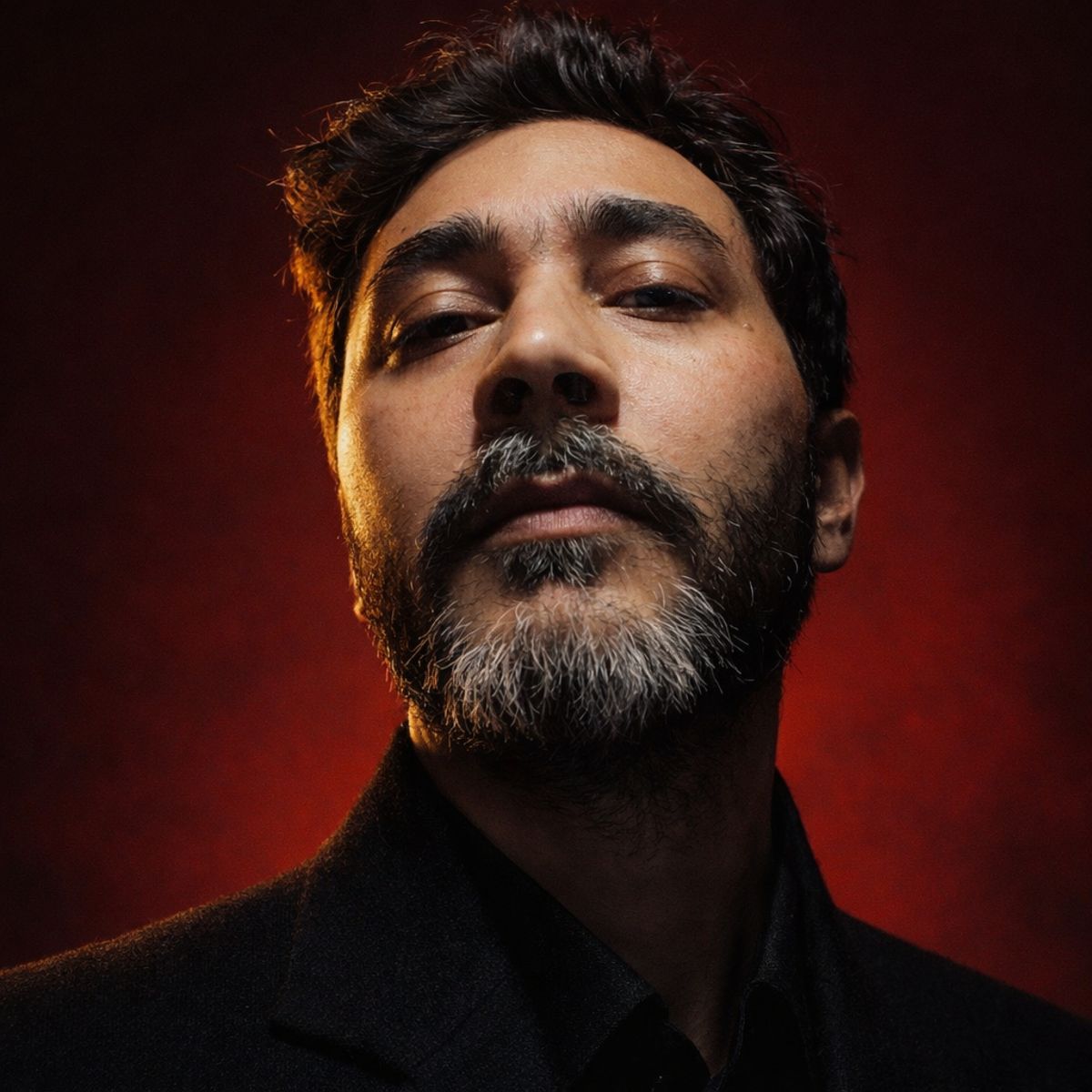

Ken Friar, our life president, has died aged 92. The club announced his death on October 13, 2026, seven hours before we played Lille, and said that no one since our formation in 1886 has had an influence on Arsenal quite like “Mr Friar”. That is a big claim for a club that has had Herbert Chapman and Arsene Wenger. I think it is the right one.
Friar never scored a goal for us or picked a team. What he did was serve the club in almost every capacity it had, from running messages as a boy to running the entire operation as managing director, and then spend his later years making sure we had a stadium fit for the next century. When we won the league in May, we did it in a building he helped deliver.
A ball under the manager’s car
Friar was born in Islington in August 1934 and grew up in the streets around Highbury. Just after the Second World War, a ball he was playing with outside the stadium rolled under a car belonging to the Arsenal manager, George Allison. Allison saw the boy retrieving it, told him to come back the next day, and gave him a job running messages from the box office for half a crown a week.
On August 1, 1950, he joined the box office full-time. His career at Arsenal would last more than 70 years.
From the box office to running the club
Friar worked his way up from the box office to become assistant to club secretary Bob Wall. Along the way, he played a key part in bringing the 1966 world title fight between Muhammad Ali and Henry Cooper to Highbury, an event he often listed as a career highlight. In 1973 he succeeded Wall as club secretary, which made him one of the most respected administrators in English football.
In 1983, chairman Peter Hill-Wood appointed him managing director, a role the club described as effectively running the football club. He presided over a period of transition and then the trophy-laden George Graham era, watching a man he had first known as a young player 20 years earlier bring the league title back to Highbury. He stayed in the post until 2000, the same year he was awarded an OBE for services to football. In 2004 he was given the Freedom of the Borough of Islington.
The move to the Emirates
When Friar stepped down as managing director in 2000, it was to take on the biggest job of his life. Working alongside director Danny Fiszman, he helped oversee our move from Highbury to the Emirates, which opened in 2006. Friar later recalled that the club had invited the Queen to open the new stadium, only for ill health to keep her away on the day.
It is hard to overstate what that project asked of the club. We left a ground we had played in since 1913 and committed to a debt that shaped a decade of transfer windows. The stadium that Arteta’s squad fills every other week, the one that hosted a title-winning season in May, is the return on that decision.
Friar was not finished even then. When Keith Edelman left in 2008, he returned as acting managing director until Ivan Gazidis arrived as chief executive in 2009.
The man behind the office door
The tributes since October 13 have said a lot about what kind of administrator he was. The one from Paul Merson said more about what kind of man he was.
Merson, who played for us from 1985 to 1997, publicly admitted in 1994 to addictions to alcohol, cocaine and gambling. In his autobiography he describes driving into Highbury the morning he decided to confess, finding Friar and telling him everything in his office. Friar stayed calm and told him the club would get him help. Speaking on Sky’s Soccer Saturday on October 17, Merson put it plainly: “Well, he saved my life back in 1994.” With the support of the PFA, Merson went through treatment and came back to play for Arsenal and England.
Dennis Bergkamp called him “a true gentleman, full of class, who embodied everything Arsenal stands for.” Liam Brady once called him the club’s greatest employee. Mikel Arteta, who opened his post-match press conference after the Lille game by talking about Friar before the football, later described him as the person who would embody the “soul and heart of this football club.”
A bridge, a statue and a final title
On April 14, 2011, the bridge linking the Emirates to Arsenal tube station was renamed the Ken Friar Bridge, and a statue was unveiled at the end of it. It shows him as a boy, playing football outside the old Highbury stadium. The club could have chosen any image of him from 70 years of service. They chose the moment it began.
In 2020, he stepped down from the board after 74 years of service and was named life president. That period also brought the loss of his wife Gwen, his partner of more than 60 years. He kept arriving early on matchdays all the same, to spend time on club business.
What we owe him
The players wore black armbands against Lille, and Arteta dedicated the win to him. The women’s team held a minute’s silence before their game against Birmingham City at the Emirates on October 17, and there will be further tributes when Everton visit on October 24.
Every one of us who walks over that bridge to a game is walking over his work. Arsenal has had greater players and greater managers, but it has never had a greater servant, and it never will.